When you whisk flour into water, you’re creating a roux’s shy cousin. The gluten strands activate, giving the sauce body but also a matte finish. Cornstarch, meanwhile, stays clear and silky because it lacks protein.
For every tablespoon of cornstarch needed, use two tablespoons of all-purpose flour. This ratio accounts for flour’s weaker thickening power. If you’re using a gluten-free flour blend, stick to a 1:1 ratio—those mixes often have starches that mimic cornstarch.
Here’s the golden rule: never dump flour directly into hot liquid. Create a “slurry” by mixing the flour with cold water first, then whisk it into your bubbling pot. This prevents lumpy, pasty disasters that taste like wallpaper glue.
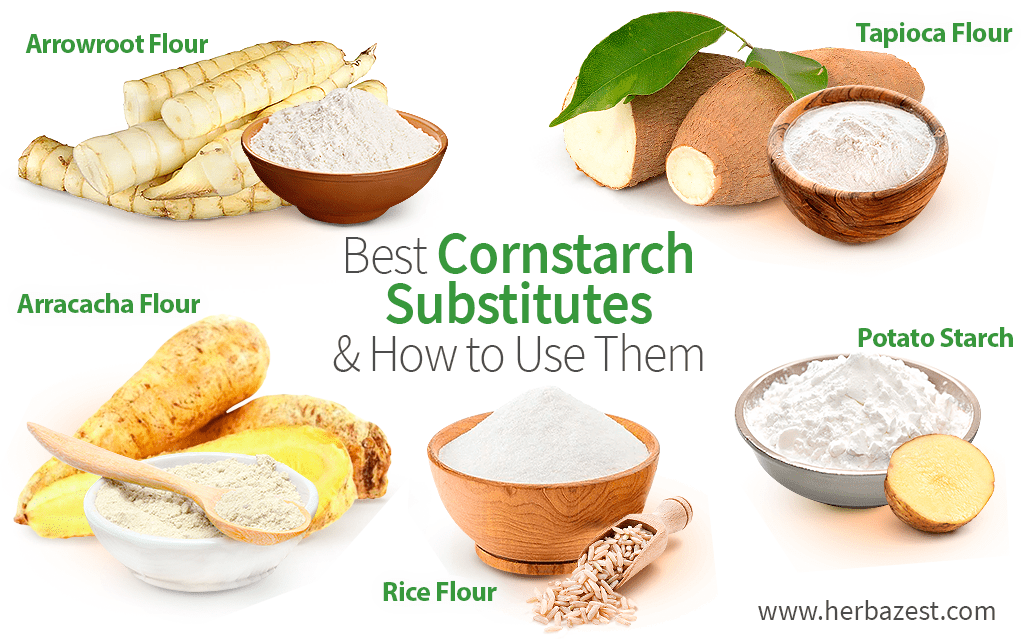 Starch Powder Uses
Texture and Taste: What to Expect
Flour-based sauces have a mouthfeel that’s richer and slightly heavier. Think of a Southern-style sausage gravy—that creamy thickness comes from flour. Cornstarch gives you a lighter, almost delicate consistency, like in a perfect sweet-and-sour sauce.
For baking, flour is a terrible substitute for cornstarch in delicate recipes like custards or lemon bars. Cornstarch creates that melt-in-your-mouth tenderness. Flour would make your lemon bars taste like a tough cookie.
But for frying? This is where flour shines. Cornstarch yields an ultra-crispy coating, like in tempura. Flour gives you a sturdier, golden-brown crust—ideal for fried chicken or onion rings. Mix them half-and-half for the best of both worlds.