
If you want to obliterate parvo, you need a virus-killing superhero. And that superhero’s secret identity is sodium hypochlorite—aka, household bleach. A 1:32 dilution (half a cup of bleach in a gallon of water) with a 10-minute contact time is the gold standard. Parvo hates bleach like a cat hates a bath—it just melts.
Other options? Accelerated hydrogen peroxide (like Rescue or Oxivir) is a close second—smells better than bleach and is gentler on surfaces. But alcohol? It’s not even on the team. It’s the guy who shows up to the soccer game in flip-flops.
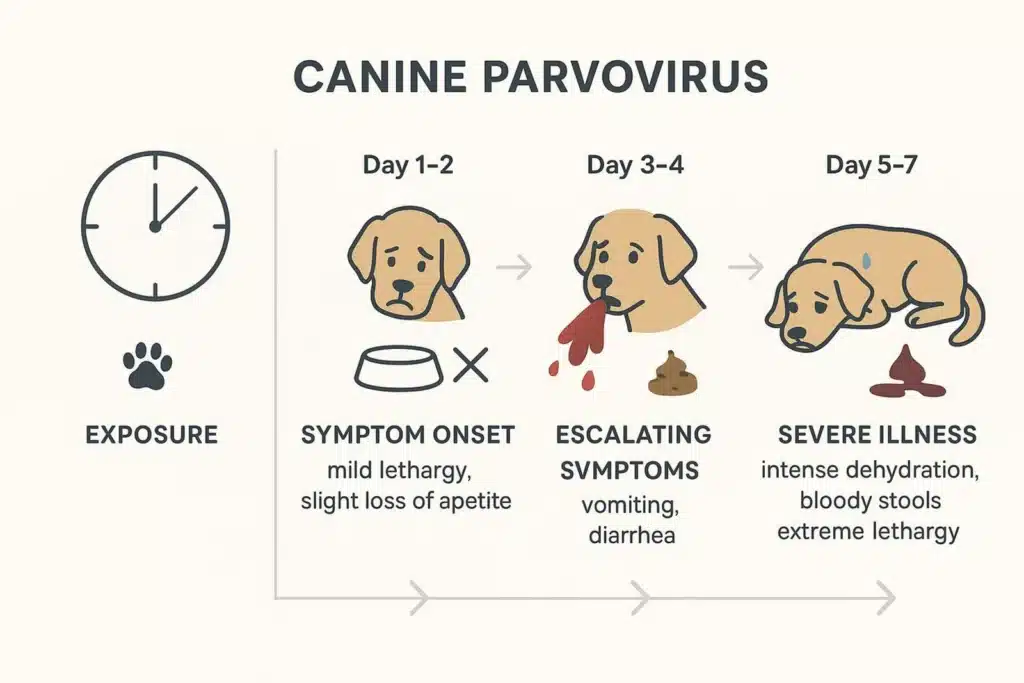 What Does Parvo Poop Look Like? Parvo Warning Signs In Dogs
And please—do not try to disinfect a puppy’s toys by soaking them in vodka. That’s a waste of good vodka, and your dog will judge you. Save the spirits for celebrating a clean bill of health later.
Can alcohol help in any way? (Fine, maybe a tiny bit)
Okay, I’ll throw alcohol a bone. It is useful for cleaning non-porous surfaces like stainless steel bowls or plastic crates if you let it sit wet for a full 5 minutes. But even then, it’s not a 100% kill—parvo can still survive in tiny cracks. And if the surface is porous (wood, fabric, carpet), alcohol is basically a spa treatment for the virus. “Oh, that feels nice—now I’m going to live for seven years in your rug.”
The bottom line: Don’t rely on alcohol for parvo. It’s like trusting a chocolate teapot to make tea. Use bleach or a veterinary-grade disinfectant, and always scrub first—parvo is stubborn, but it can’t hide from elbow grease.

