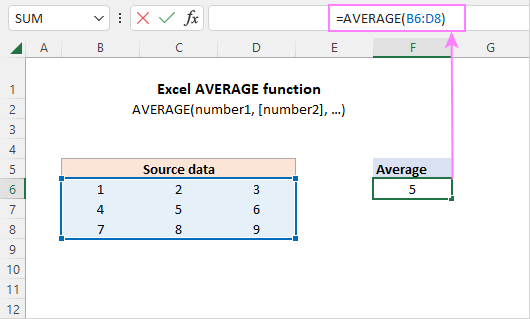
Now, let’s get slightly spicy. What if you only want the average of sales from last month? That’s where =AVERAGEIF comes in. The syntax goes: =AVERAGEIF(range, criteria, [average_range]).
In plain English: tell Excel which cells to check, what condition to look for, and which numbers to actually average. For example: =AVERAGEIF(A:A, ">100", B:B) averages only the B values where the A column is over 100. It’s like a bouncer for your data.
I used this to find the average rating of only the good movies I watched last year (rating above 7). It made my film taste look surprisingly refined. (Don’t check my other averages.)
One Last Secret: The Status Bar Glance
Before you even type a formula, there’s a cheat code. Just highlight any group of numbers. Look down at the bottom-right corner of your Excel window, at the Status Bar. You’ll see Average, Count, and Sum already calculated for you.
It’s like Excel whispering the answer in your ear before you ask the question. I use this constantly to get a quick vibe check on my totals without making a permanent cell.
So, whether you click the magic button, type a formula like a boss, or just glance at the status bar, you’re now an average-finding pro. Go forth and calculate, my data-driven friend. And maybe help out a Dave sometime.