Not all filters are the same, and that’s okay. A pitcher filter works like a slow Saturday: water dribbles through gravity and gets a gentle clean. It’s perfect for city water that just tastes a little “off.”
But then you have reverse osmosis systems. These are the overachievers. They use pressure to force water through a membrane so fine that even tiny molecules like salt and lead get left behind. It’s like teaching a cat to walk through a dog door—only the determined stuff gets through.
Then there’s the classic faucet-mounted filter. Mine always feels like a shy octopus hugging the spout. It’s simple, but it works because it uses the same carbon trick on a smaller, faster scale.
The “Oops, I Forgot” Moment
You know the real struggle: ignoring the little red light that screams “Replace filter!” for three months. I do it every time. Then one morning, your coffee tastes faintly of stale garden hose, and you realize the filter is now a breeding ground for regret.
That’s because filters have a capacity. They can only trap so much gunk before they start letting it seep back out. It’s like a sponge that gets too full—eventually, it just spreads the mess around.
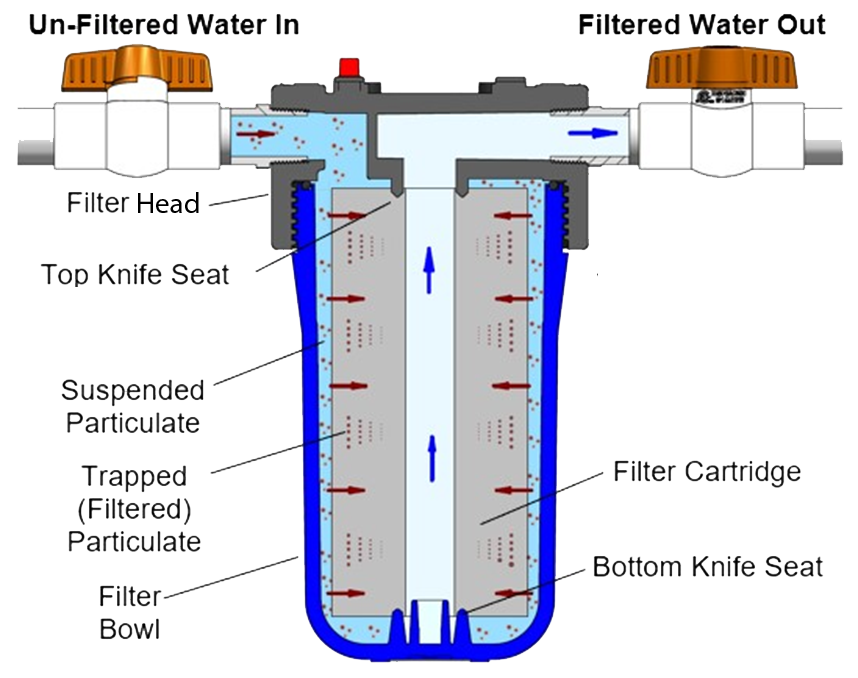 How Does Water Filtration Work?
So, the secret to a happy filter is regular replacement. Think of it as giving your bouncer a vacation before he gets grumpy and starts letting in everything.