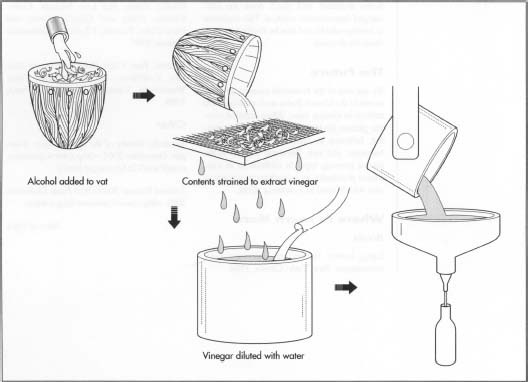
Once the acid level hits the sweet spot—usually 4% to 7%—they’ll dilute it with filtered water to exactly 5%. Then it’s bottled, labeled, and shipped to stores near you. That’s it. No aging for years like balsamic, no fancy oak barrels. White vinegar is the fast fashion of the vinegar world: cheap, quick, and endlessly useful.
Next time you splash it on your fish and chips or use it to descale your coffee maker, you can smirk, knowing that a colony of tiny bacteria threw a boozy, oxygen-filled party just for your convenience. Pretty cool, right?
Wait, Is It Really That Simple?
Sort of! The industrial process adds a few tweaks—like centrifuges to speed up filtration and precise temperature controls—but the core is ancient. Humans have been making vinegar this way for thousands of years. The Babylonians were dousing their salads with this stuff long before plastic bottles existed.
So, the next time you reach for that bottle, remember: it’s the result of yeast getting drunk, bacteria breathing in air, and humans figuring out how to bottle that sour perfection. And all it took was a stained hoodie for me to finally appreciate it.

