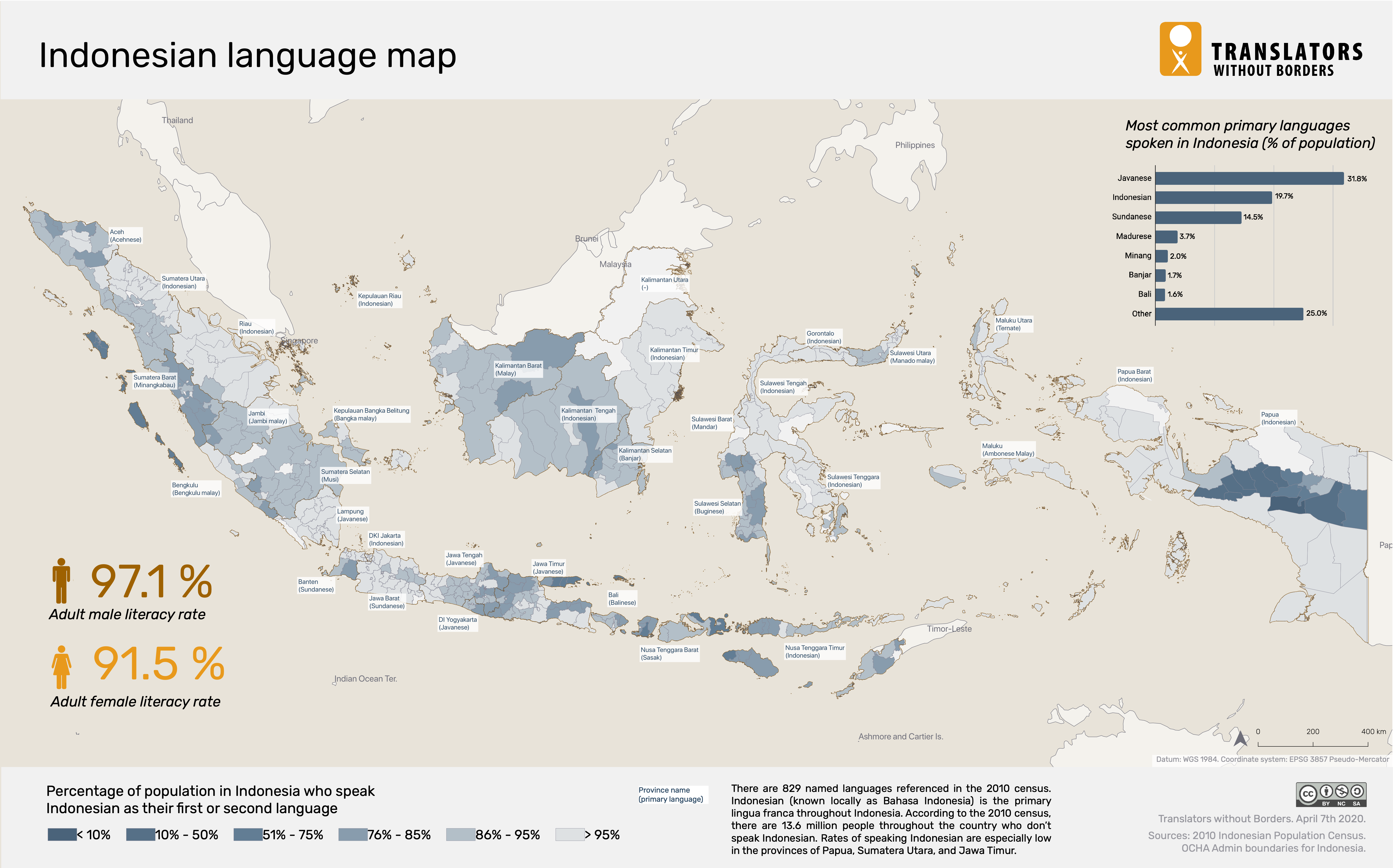
Let’s put this into perspective. The entire continent of Europe has about 200 languages. Indonesia, a single country, has at least three times that number. You could say Indonesia is the linguistic Amazon rainforest of the world—biodiverse, dense, and a little mysterious. If you were born in the western part of the country, you might speak Acehnese, a language that sounds like gentle waves. Born in the east? You might grow up with Dani, spoken by tribes who count by pointing to body parts. Wild, right?
But here’s the kicker: these aren’t just dialects. These are fully separate languages. A Javanese speaker from the island of Java cannot understand a Sundanese speaker from the same island. It’s like an Italian trying to order coffee in Stockholm—good luck with that. The reason is history, geography, and a sprinkle of ancient trade routes. Trading ships from India, China, and the Middle East all dropped anchor here, leaving behind bits of vocabulary and grammar. The result? A giant, messy, beautiful language soup.
Why Should You Even Care?
Maybe you’re thinking, “Cool, but I’m never learning 700 languages.” Fair point. But here’s the real treasure: each language is a unique operating system for the human brain. Some Indonesian languages have no future tense, so speakers live more in the “now.” Others have specific words for the sound of a lizard falling on a roof. Seriously. When a language dies—and many in Indonesia are endangered—we lose a way of seeing the world that can never be replaced. It’s like burning a library that nobody even knew existed.
And then there’s the secret sauce: Bahasa Indonesia, the national glue. This language was chosen on purpose during the 1920s as a tool to unite the country. It’s easier to learn than most languages (no tenses, no genders), and almost everyone under 40 speaks it. So Indonesia has a clever solution: a shared roof language for business and TV, plus hundreds of local home languages for stories, jokes, and grandmothers. You can book a flight in Jakarta using Indonesian, then land in West Papua and hear the local Moi language in the market. That’s everyday magic.
 Indonesian Language Map

