
First, use aluminum-free baking powder if you can find it. Regular baking powder can leave a faint metallic aftertaste—like licking a penny. Not ideal when you’re aiming for “heavenly” instead of “hardware store.” I learned this the hard way during a scone disaster of 2019. We don’t talk about it.
Second, don’t double the recipe in your head and then eyeball it. If you need four cups of self-rising flour, measure out four cups of AP flour, then stir in six teaspoons of baking powder and one teaspoon of salt. Math is hard, but this is easy math. Write it on your hand if you have to.
Can I Store This Mixture?
Technically, yes—but you really shouldn’t, for more than a week. Baking powder loses its oomph over time, especially once it’s mixed with flour and exposed to air. Your self-rising flour will start to clump and lose that magic lift. It’s like a superhero retiring to a beach—sad, but inevitable. Make just what you need, like a mindful baker-ninja.
If you must store it, keep it in an airtight container in a cool, dark place. Label it with the date, because three months later you’ll find it and ask, “Is this a science experiment or flour?” (Spoiler: it’s both, and neither is good.)
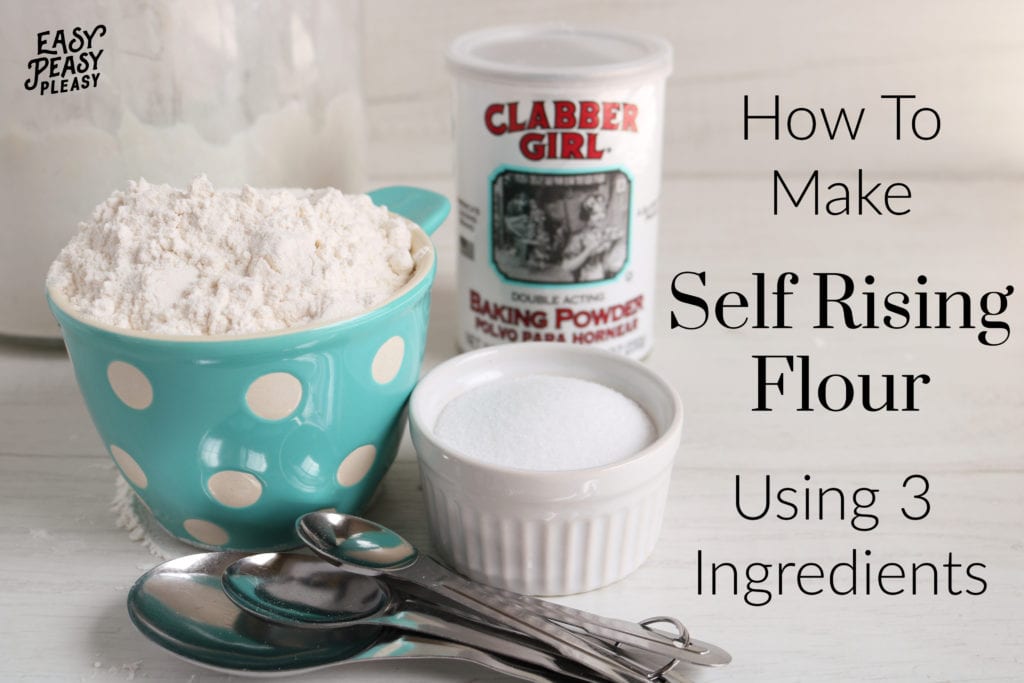 How To Make Self Rising Flour

