
Some softeners have a “salt level” sensor that shows a red light when empty. After you add salt, manually reset the sensor (check your manual—usually a button press or a reconnect). Don’t expect magic; the sensor might take a few hours to register the new salt. That’s fine. Just let it do its thing.
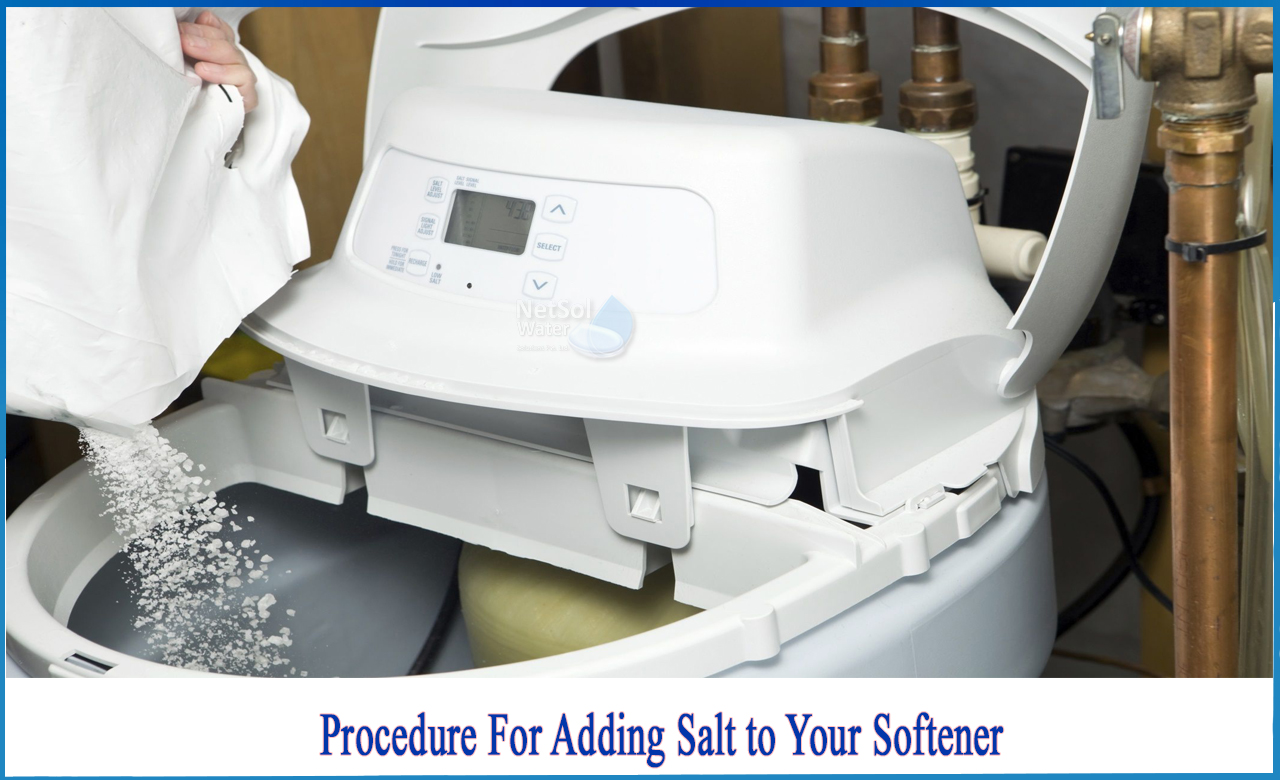 How to add salt to the water softener
Pro tip: if your water still tastes hard after a day, run a manual regeneration cycle. Look for a “regen” button on the control panel. This forces the softener to flush and recharge. It’s like hitting the reset button on a grumpy computer.
When to call in the big guns
If you’ve added salt, reset the sensor, and your water is still hard as a rock, you might have a resin bed issue—the media that actually removes hardness. That’s more than a salt problem. Or maybe the brine line is clogged with salt mush. In that case, call a pro. But 95% of the time, it’s just “salt low, add more, done.”
I once spent an hour Googling “water softener loud noises” only to realize I had left the lid off the brine tank. The machine was sucking air like a bad straw. A quick lid snap fixed everything. So yes, start with the stupidest possible cause.
One last thing: buy salt in bulk if you can. A 50-pound bag costs around $5-8 at a hardware store. Waiting until your shower turns into a chalky disaster and then making a midnight salt run? Not a fun look. Keep two bags in your garage. Your future self will thank you.
And next time you’re in the laundry room, just give that softener a pat and a smile. You’ve got this. The hard water doesn’t stand a chance.

