
Now you have to wait. Most kits require you to shake the solution, dip a strip, or add a powder, then wait anywhere from one to ten minutes. This is the part where your brain goes wild. You’ll start imagining lead particles doing a conga line in your glass. Relax. Go fold a load of laundry or watch a three-minute video of a panda sneezing.
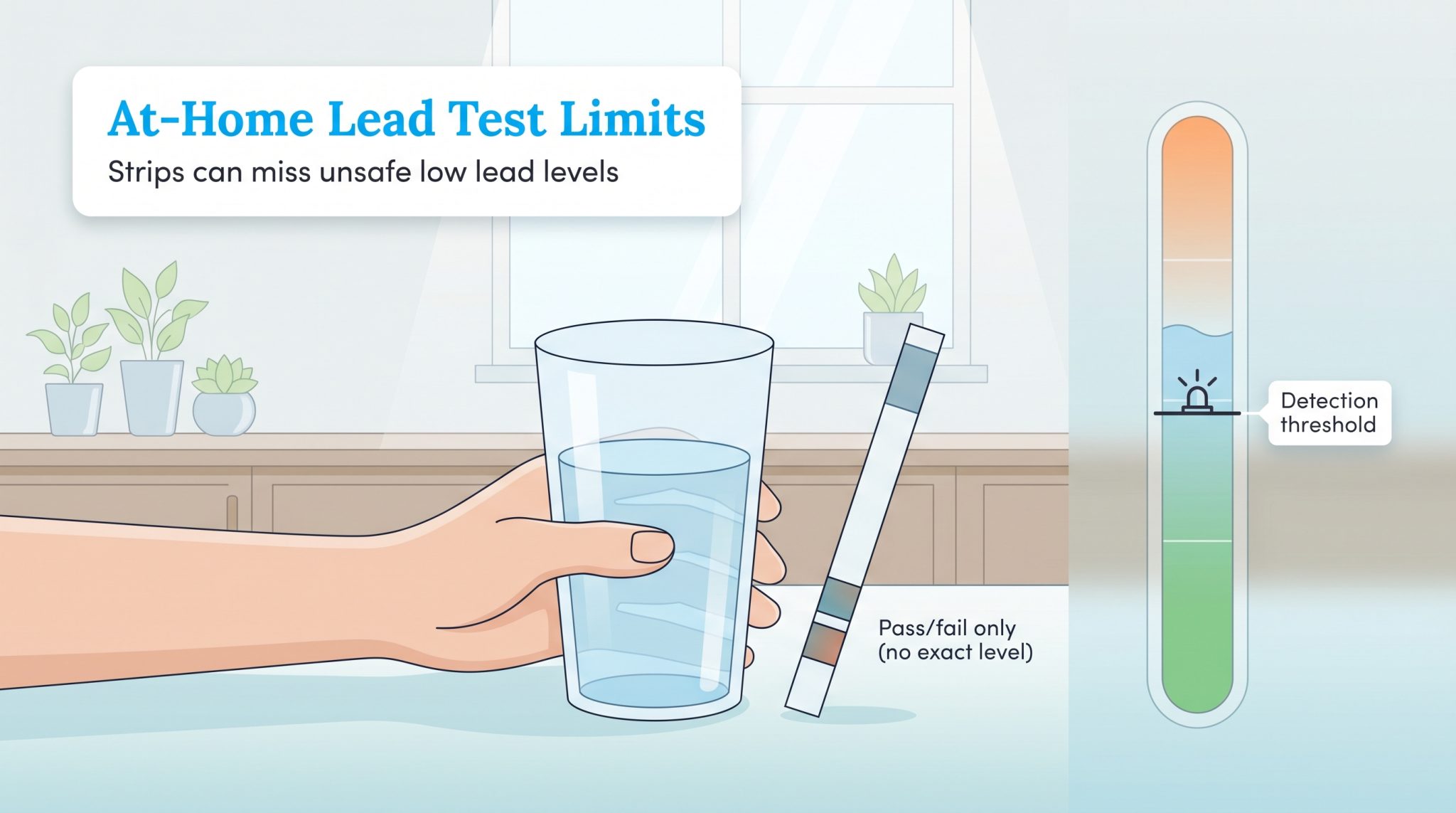
When the timer goes off, you compare the color on the strip to the little chart. It’s like a paint swatch, but the stakes are slightly higher. If it turns red, pink, or blue (depending on your kit), you’ve got a positive result. If it stays clear or a neutral color, you can do a little happy dance. I did a happy dance that looked suspiciously like a dad at a barbecue.
 How to Test Your Water for Lead: DIY Kits, Free Options, and Lab
What If It's Positive? (Cue Dramatic Music)
First, don’t panic. A positive home test doesn't mean you need to evacuate your home. It just means you have a reason to call a professional. Think of this test like a canary in a coal mine—the canary is alive, but it’s looking a little dizzy. You don’t need to buy a hazmat suit yet.
Second, start drinking bottled or filtered water for now. Switch to using cold water for cooking (hot water dissolves lead faster). And for the love of all that is bubbly, don't boil water to remove lead—that actually concentrates it, like making a lead reduction sauce. Bad idea.

