
This one is more about noticing patterns. After washing your hands with a bar of soap, does a filmy ring form around the sink? That’s soap scum, the chemical ghost of hard water mixing with your soap. It’s also why your bathtub might feel a little gritty even after a scrub.
Check your glassware, too. After a dishwasher cycle, are your glasses streaky or covered in a white powder? That’s another clue. If you’ve got a tea kettle or coffee maker, look inside for white, crusty deposits—those are mineral scales. It’s basically the water saying, “I’m strong, and I leave a mark.”
 4 Ways to Test Water Hardness (Easy Methods)
The High-Tech Strip Test (For the Curious Mind)
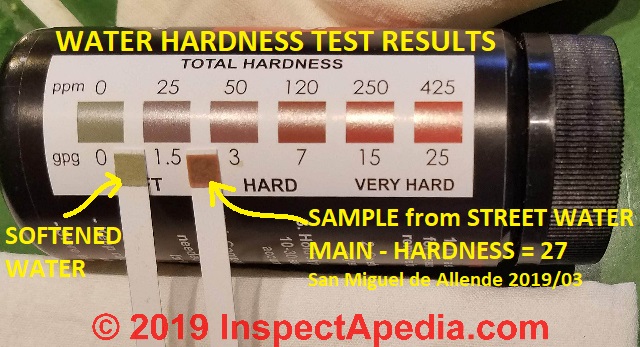
If you want actual numbers (because who doesn’t love a good chart?), head to a hardware store or buy a water hardness test strip kit online. They’re cheap, usually under ten dollars. Dip a strip in a glass of tap water for a few seconds, then wait for it to change color.
Compare that color to the chart on the bottle—it’ll tell you if your water is soft, moderately hard, or very hard (think: 10+ grains per gallon). It’s like a pH test for your pool, but for your tap. And yes, it feels oddly satisfying to get a definitive answer, like finishing a crossword puzzle.
The Digital Gadget (Because Gizmos Are Fun)
For the tech-savvy, there’s the TDS meter (total dissolved solids meter). It’s a little pen-like device that measures all the minerals in your water, not just calcium and magnesium. Dip the tip into your water, and it gives you a number in parts per million (ppm).
 How Often to Descale Keurig: Quick Guide
A reading under 60 ppm is typically soft, while over 200 ppm is considered hard. It won’t tell you the exact calcium-to-magnesium ratio, but it’s a quick, cool little tool. Honestly, it’s the most fun you can have with a glass of water—and it makes you feel like a real scientist.

