
We all grew up believing that 37.0°C (98.6°F) was the gold standard of human temperature. That number comes from a German study in the 1800s. Yes, you read that right—we’re still using data from a time when people wore top hats and thought leeches were cool.
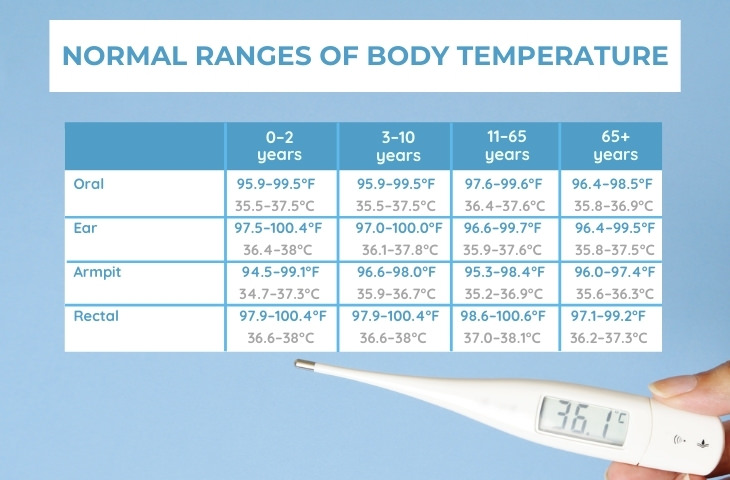
Modern research has completely blown that number out of the water. A massive 2017 study out of Stanford found that the average human body temperature has actually dropped to about 36.4°C (97.5°F). So if you’re sitting at 36.2, you are literally more “average” than the old standard—ironic, right?
Your temperature is a moody friend, not a robot.
Your body temperature fluctuates more than my enthusiasm for Monday mornings. It’s usually lowest in the early morning (hello, 36.2!) and highest in the late afternoon or evening. That difference can be a full 0.5 to 1.0°C—so a 36.2 at 7 AM might turn into a 37.2 by dinner.
And let’s talk about your personal normal. I run naturally cold—my baseline sits around 36.1°C. My husband, on the other hand, is a human space heater who lives at 36.8. We’re both fine. It’s like being born a night owl vs. a morning person; your “normal” is just your own weird default.
Now, here’s where it gets funny: women’s temperatures change with their cycle. After ovulation, progesterone raises your core temp by about 0.3 to 0.5°C. So if you’re a woman and you see 36.2 one week and 36.7 the next—congratulations, your hormones are just doing their chaotic dance. This is totally normal and actually useful if you’re tracking fertility.
 4 Signs That Let You Detect a Fever Without a Thermometer

