
Here’s the thing about oysters: they are not a one-note food. Forget everything you’ve heard about them being “slimy” or “fishy.” That’s like saying all wine tastes like grape juice—it’s technically true, but it misses the whole point. Oysters are more like a liquid snapshot of the specific patch of sea they came from.
The first thing you’ll notice is the brine. That saltiness is your welcome mat. It’s the ocean’s handshake. The intensity depends on where the oyster grew up—some are so briny they taste like a gulp of seawater, while others are barely salted, like a gentle wave.
Underneath that salt, the real party starts. You might pick up notes of cucumber, celery, or even a hint of unripe banana. Seriously. Some oysters have a distinctly green, vegetal finish, while others are creamy and buttery, almost like a spoonful of crème fraîche.
Let's break down the "merroir" (fancy word for "where it grew up")
East Coast oysters—think Blue Points or Wellfleets—are your classic briny bois. They’re clean, crisp, and finish with a metallic, almost coppery tang. They’re the simple, reliable friend of the oyster world. You know what you’re getting: salt and mineral.
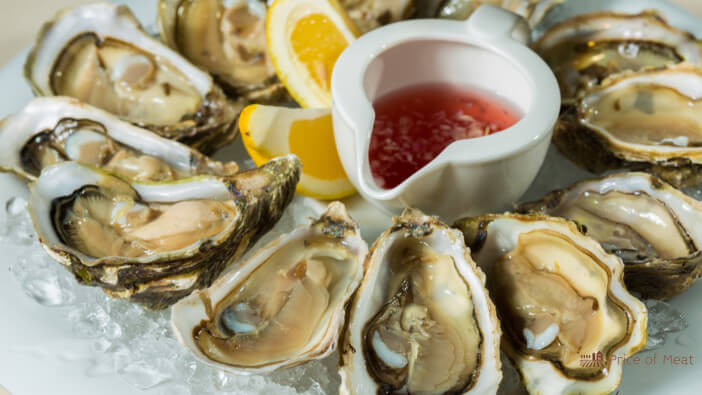 5 Ways Oysters Taste Different Based on Their Environment
West Coast oysters—like Kumamotos or Olympias—are total divas in the best way. They’re smaller, sweeter, and pack a fruity, melon-like punch. Some even have a weirdly delightful cucumber aftertaste. They’re the oyster equivalent of a funky, experimental craft beer. (You’ll either love them or be very confused—I was confused at first.)
Then you have the Gulf oysters, the big, fat ones from the South. These are the chewy, meaty giants that taste more of the swampy, muddy estuary they called home. They’re less about delicate salt and more about a deep, earthy umami flavor. Perfect for frying, but an acquired taste raw.

