
Your tap water often smells like a swimming pool’s drunk uncle because of chlorine. Charcoal is chlorine’s arch-nemesis. It waves a microscopic cape and snatches that chlorine right out of the water, leaving you with a neutral, just-wet taste. Thank you, carbon crusader.
It also goes after volatile organic compounds (VOCs)—which sounds like a sci-fi villain. "Mwa ha ha, I am a Volatile Organic Compound, and I will make your water taste like a band-aid!" Yeah, charcoal says “not today, bud” and traps them. It’s particularly good at grabbing pesticides, industrial solvents, and the ghost of whatever was stored in a plastic bottle before you.
But here’s the thing that surprises everyone: charcoal does not remove everything. It won’t touch dissolved minerals like calcium, magnesium, or fluoride. It’s not a miracle worker against lead or heavy metals (unless the filter says “catalytic” or adds special resins). It’s the VIP roped-off section for big, stinky molecules, but the harmless mineral dust can still walk right in.
The Charcoal Filter’s Secret Weakness: It Gets Lazy
Here’s the tragic flaw in our carbon hero: it fills up. Eventually, all those microscopic bouncers get tired. The handcuff spaces get full of chlorine and bad-taste goblins. Once it’s packed, guess what happens? It starts to “release” some of that nasty stuff back into your water. That’s why you have to replace the filter, even if you haven't used it much.
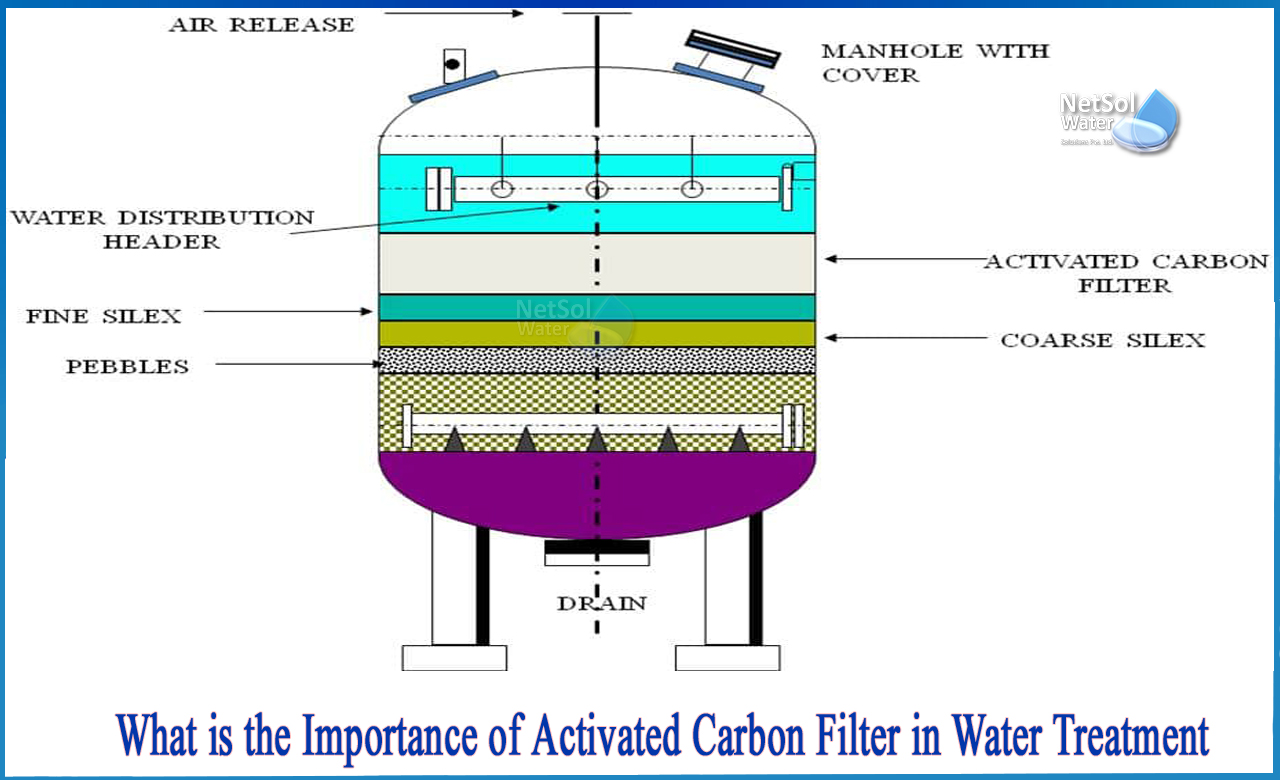 How To Make A Charcoal Filter
Think of it like a rental car’s ashtray from the 1980s. At first, it just holds the ash. But after thirty packs of cigarettes, the ash pile gets so big it starts spilling back into the car. Your dirty charcoal filter is that overflowing ashtray. Change it! Or you’re basically drinking the filtered version of stale regrets.
Oh, and a weird fact for your next party: the same stuff in your water filter is used in hospital poison control. If someone swallows a toxin, doctors will often feed them a slurry of activated charcoal. It adsorbs the poison in their stomach before it gets into their blood. So technically, your fridge filter is a tiny poison-eating ninja in disguise.

