There’s one situation where pH really matters: well water. If you’re on a private well, you could be drinking water with a pH of 5 or even 4.5 without knowing it. That acidic water can corrode your pipes and leach heavy metals into your morning coffee. In that case, testing your water and adjusting the pH (usually with a neutralizing filter) is non-negotiable.
For everyone else on municipal water, your local treatment plant is legally required to keep pH in the safe zone. So stop worrying about the number and start worrying about the real issues—like whether your neighbor Dave is going to invite you over for another glass of his “optimal” rock water.
 Mineral-Rich vs Ultra-Pure Water: What's Best for You?
How To Know If Your Water’s pH Is “Good” (Without Buying A Kit)
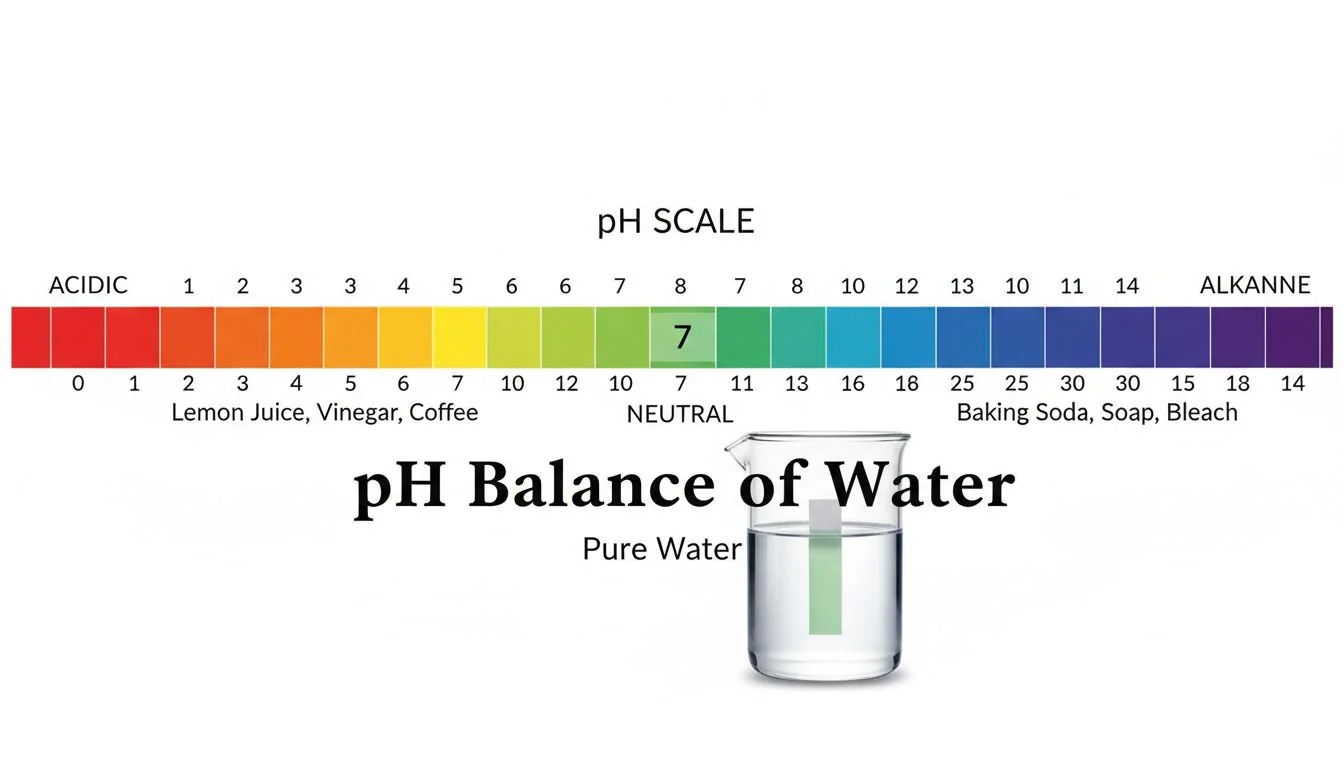
Honestly? Trust your senses. If your water smells like bleach, tastes like metal, or leaves rust-colored stains in your sink, that’s a red flag. Otherwise, clear water that tastes like nothing—or maybe a faint mineral note—is doing its job. You can buy a cheap pH test strip for $10 if you’re curious, but be prepared for a boring result: it’ll likely be somewhere between 7 and 8.
And if it’s at 6.9? Congrats, you’ve got the most neutral water on the planet. You can now join the elite club of people who can say, “My pH is perfect,” without sounding like they’re selling something. (Side comment: Please don’t say that at parties. I tried it. No one was impressed.)
So, what’s a good pH level in water? It’s the one that’s safely between 6.5 and 8.5, tastes fine to you, and doesn’t come with a 45-minute podcast episode attached. The rest is just chemistry theater. Drink up—and maybe buy your friend Dave a water filter that actually focus on contaminants, not imaginary health boosts.
Now, if you’ll excuse me, I need to go test my tap water. I think it just winked at me.