Hormel wanted a name that was short, punchy, and easy to remember. “Spam” was only four letters, which fits perfectly on a can. It was also super easy to say after a few drinks (which, let’s be honest, was probably the vibe at that New Year’s party).
The name worked because it sounded friendly and exotic at the same time. “Spiced ham” sounds way more glamorous than “canned pork parts.” It’s marketing magic!
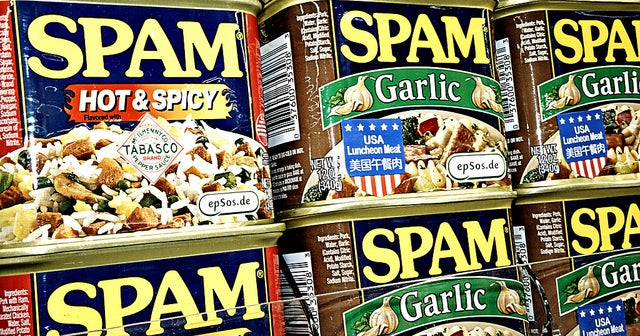 Hormel fights for Spam name - CBS News
Fun fact: The original label read “Spam – The Meat of a Thousand Uses.” And they meant it. People used it for breakfast, lunch, dinner, and even as a fishing bait. (Don’t knock it till you try it.)
The Unexpected Internet Fame
Fast forward to the 1970s, and a British comedy troupe called Monty Python released a legendary sketch. In it, a couple in a café tries to order, but every single menu item available includes Spam.
The sketch features a group of Vikings singing, “Spam, spam, spam, spam…” as a catchy (and incredibly annoying) chant. If you’ve seen it, you know it’s pure, beautiful chaos.
Here’s where the digital connection happens. In the 1990s, early internet geeks (probably the same guys who named their computers “Viking”) started calling unwanted bulk emails “spam.” Why? Because the Monty Python sketch had the word repeated so much that it became synonymous with annoying, repetitive nonsense.
So, the name for junk mail literally comes from a canned meat product, which got its name from a party contest. Isn’t that ridiculous? I love it.