
Ever notice how even the shade feels hot? That’s because our infrastructure wasn’t built for a heatwave. Dark tarmac and grey concrete soak up that weak northern sun like it’s going out of style.
They then radiate that stored heat back at you at night. So you lie there, sweating into your pillow at 11 p.m., wondering why your brain feels like porridge.
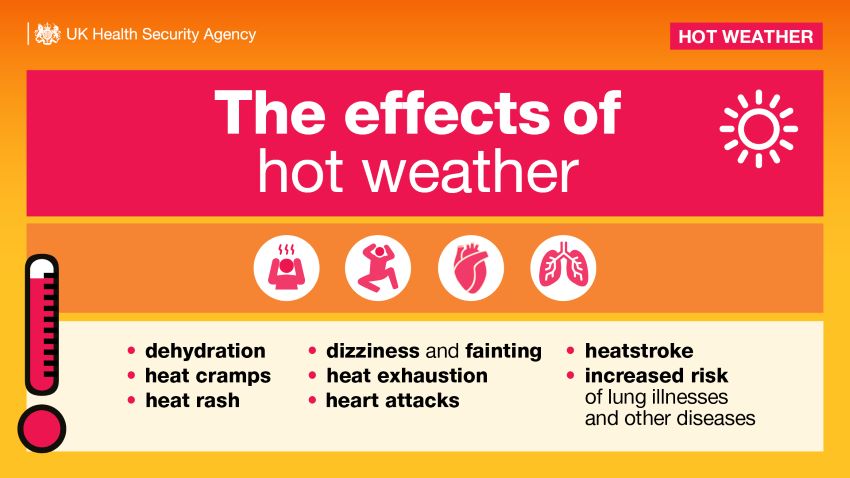 How Heat-Health Alerts contribute to keeping the vulnerable safe this
It’s the nocturnal heat island effect. In Spain, the temperature drops at dusk and you get relief. Here, the buildings refuse to let go of the day’s warmth, and your sleep becomes a damp, restless battle.
The Speed of the Change
But wait, there’s a psychological twist. We aren’t used to this. Our bodies and routines are tuned for 15°C and a light drizzle.
When we get a sudden blast of heat, it’s a shock to the system. We don’t have the cultural habits yet—the siesta, the cold soups, the “no, you do not run errands at 2 p.m.” attitude.
So we carry on as normal: commute in a non-air-conditioned train, eat a hot lunch, then wonder why we feel like boiled cabbage by 3 p.m. It’s never just the heat; it’s the lack of adaptation.

